



Apogeo(2026)
Bernat Cucarella(2001)
New classical music-Fl., Ob., Cl., Hpsd., Vl., Vc.
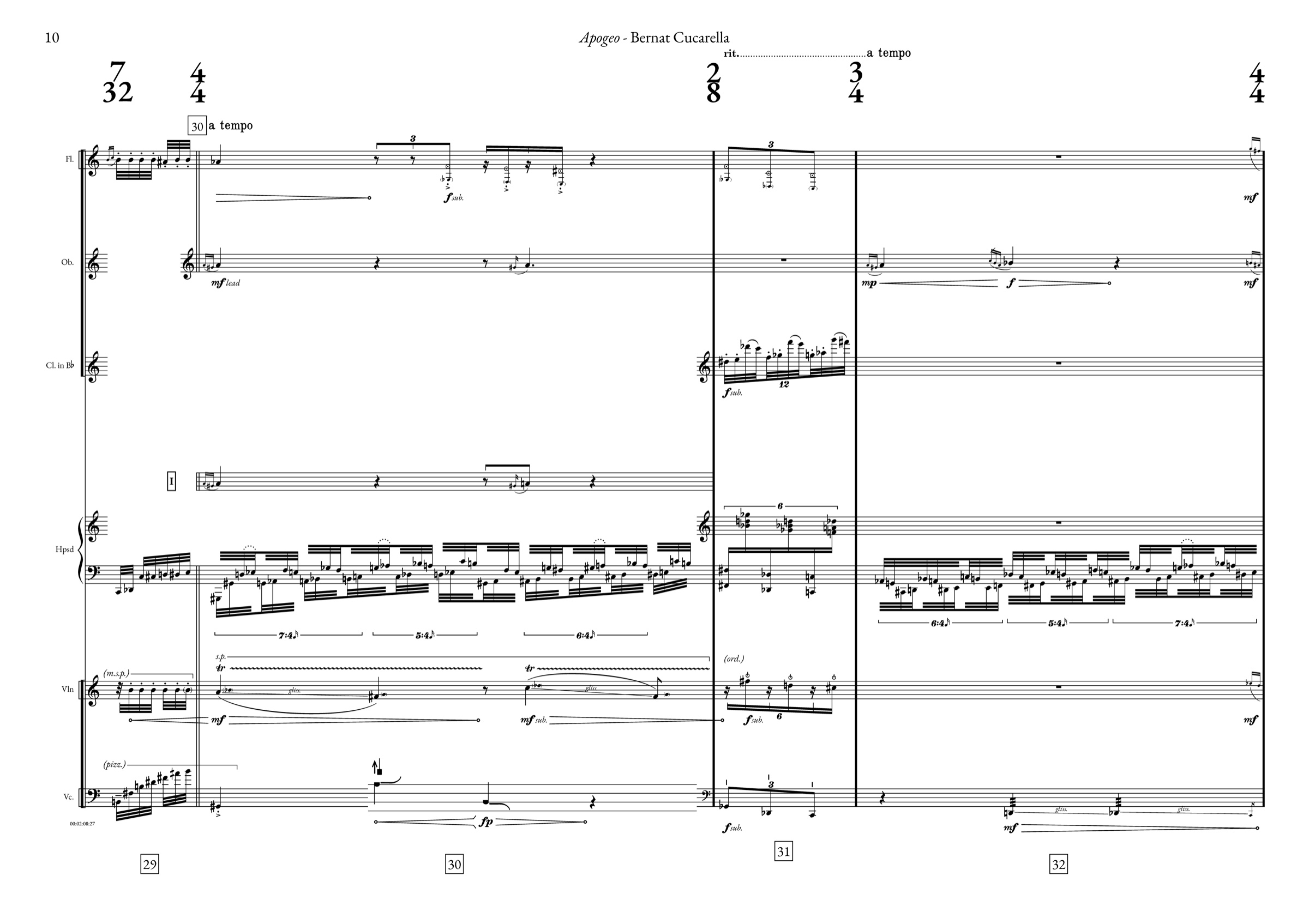
Apogee: n. Astron. A momentary suspension between the impulse that lifts and the gravity that pulls back. The instant of greatest distance before the return. Moving away to the limit, only to inevitably begin to fall. This piece investigates how a slow parabolic motion can be captured: how far can the material keep rising? What happens in that instant when the velocity stops and the motion seems to hang suspended? What happens at the boundary between rising and falling? The apogee is not a destination but a moment of transition: the exact point where the impulse loses its force and gravity begins to take over. A state that appears motionless but already contains the motion of the return.
The piece seeks to stretch out that instant, to make perceptible something that usually happens too fast: the gradual loss of momentum, the suspension, the fall, the inevitable direction... A trajectory that, once slowed down, stops being merely a displacement in space and becomes an experience of time, balance and gravity. In this sextet, a discourse unfolds where fragmented polyphony coexists with contemporary harmonic treatment, while placing strong weight on the spectral and gestural side of the piece. Apogee, which lasts 7’ 25”, offers a contemporary take where the approach to “gesture”, the micro-rhythm and the structure are inspired by the concept that gives the piece its name.
Options:
Interested in this piece? Contact us and we'll find the best option for you.
Every eSLAPP product includes the parts.
Otherwise, it's noted in the purchase options.
Special notation used in this piece
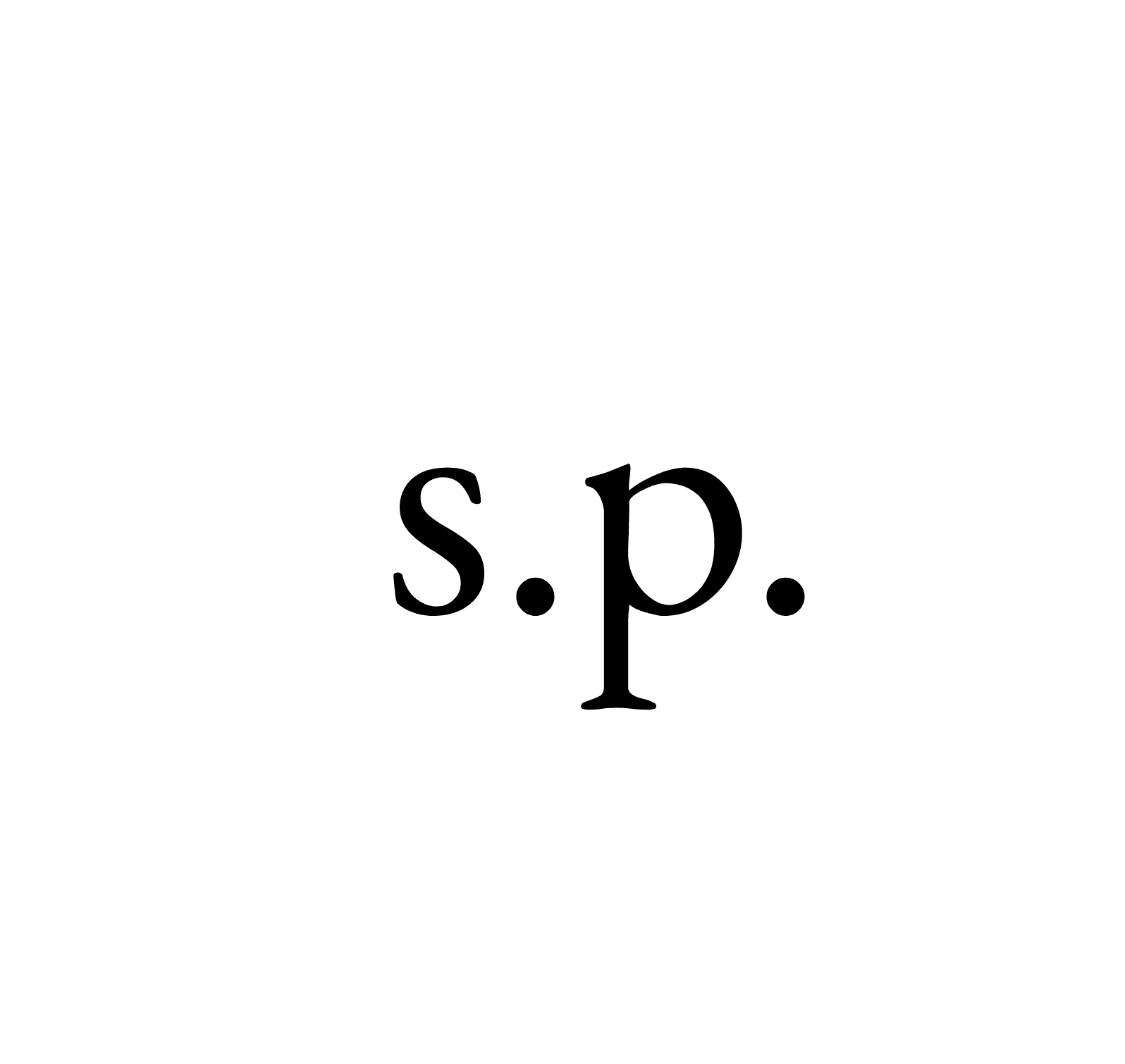
Sul ponticello
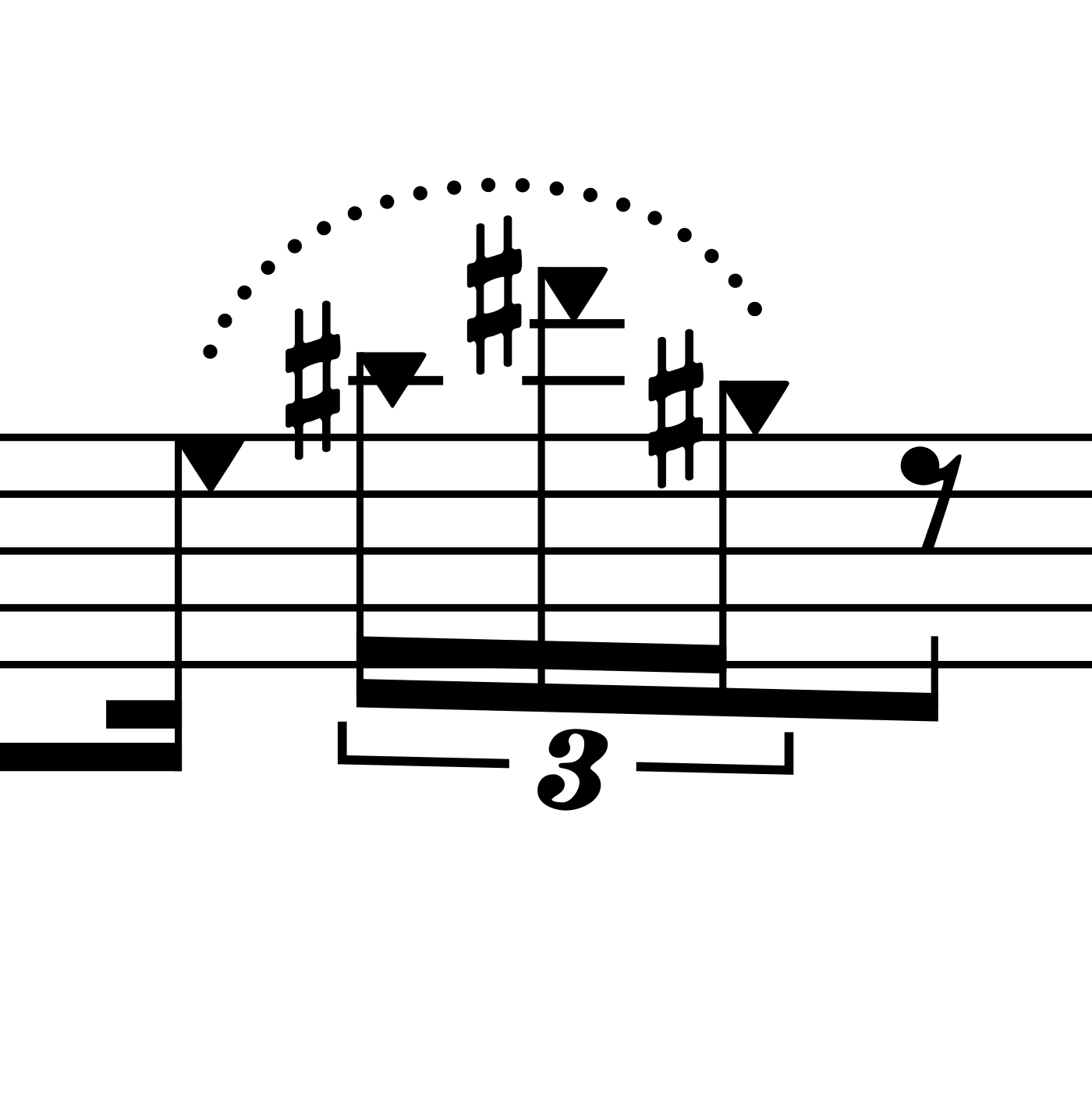
Pizzicato
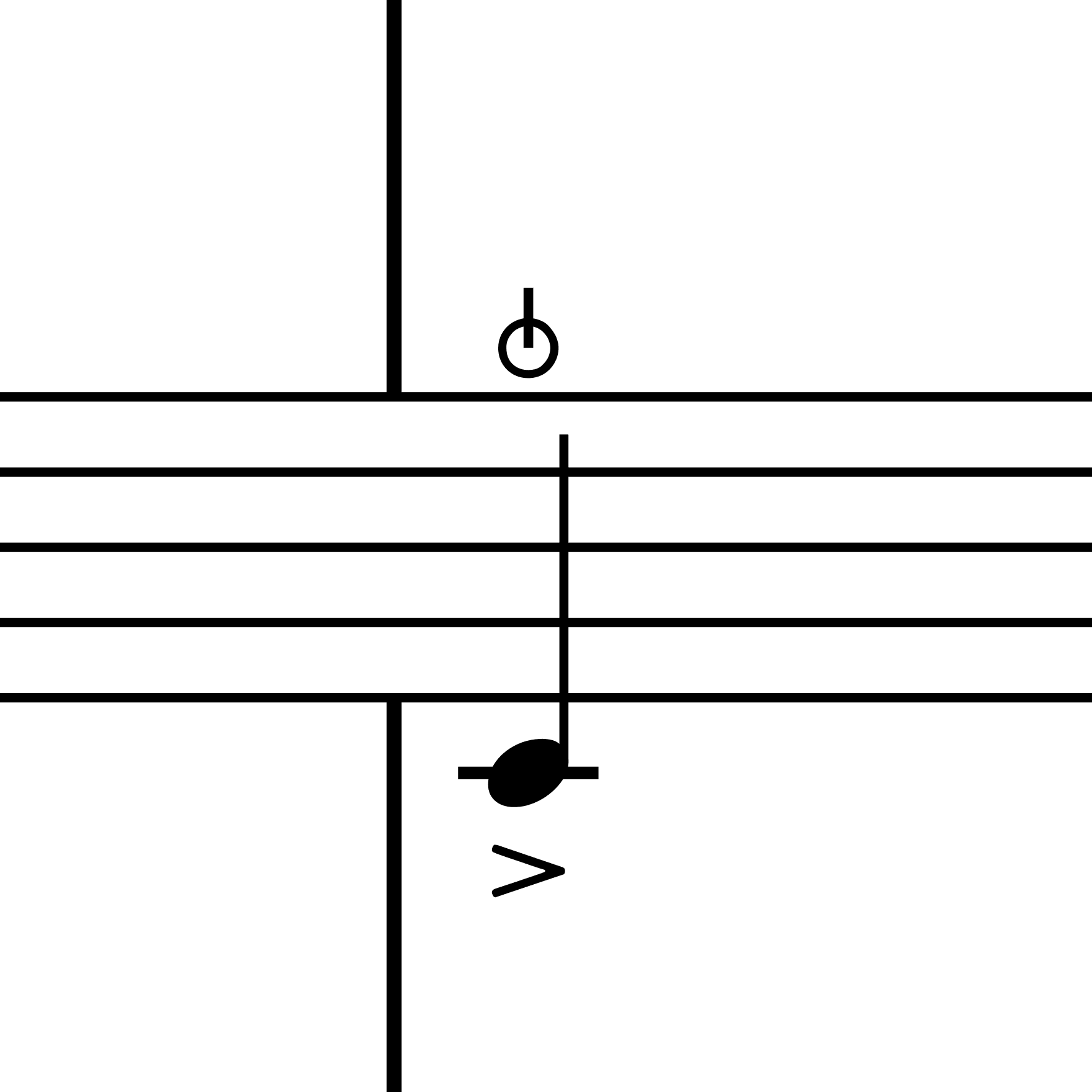
Bartók pizzicato
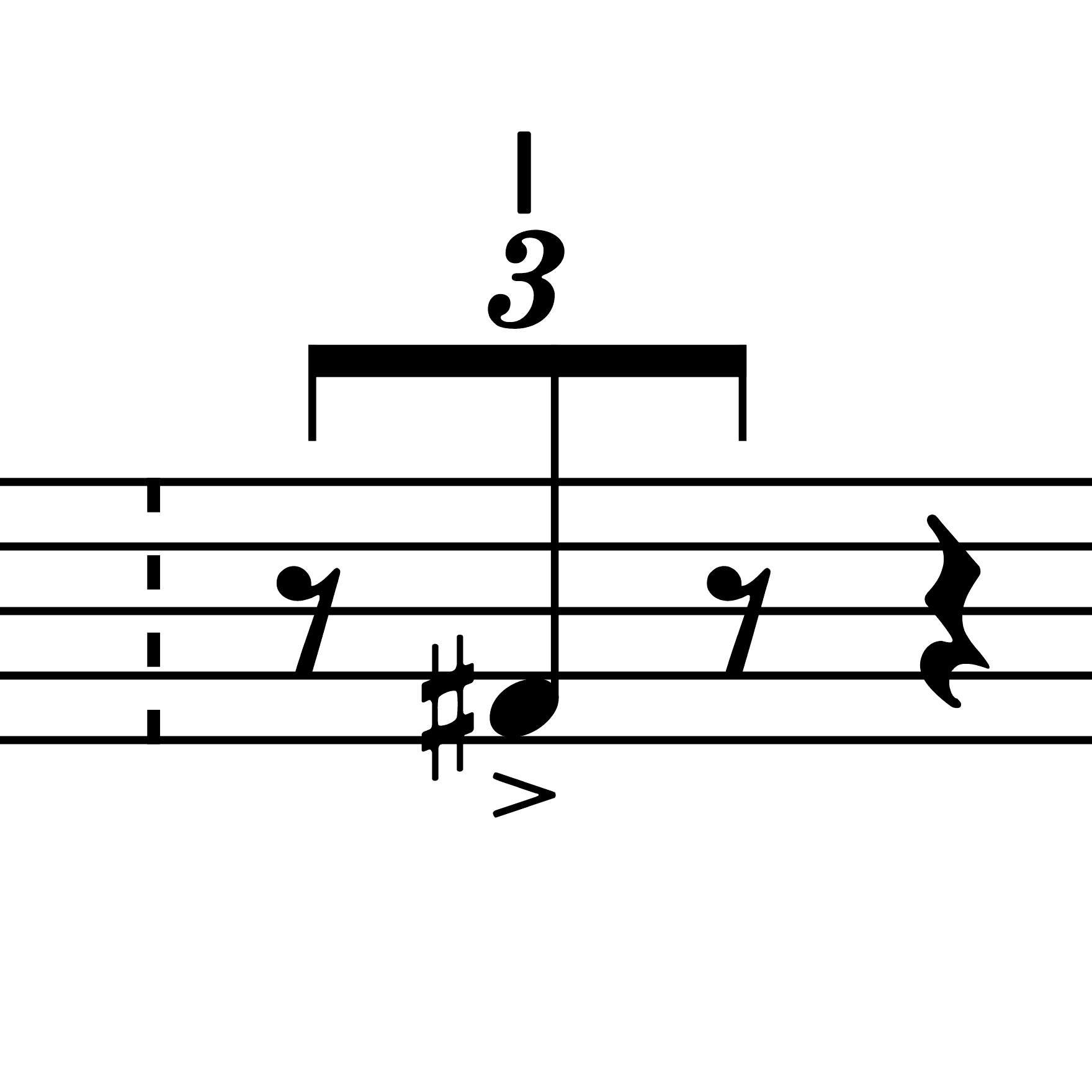
Ordinary pizzicato
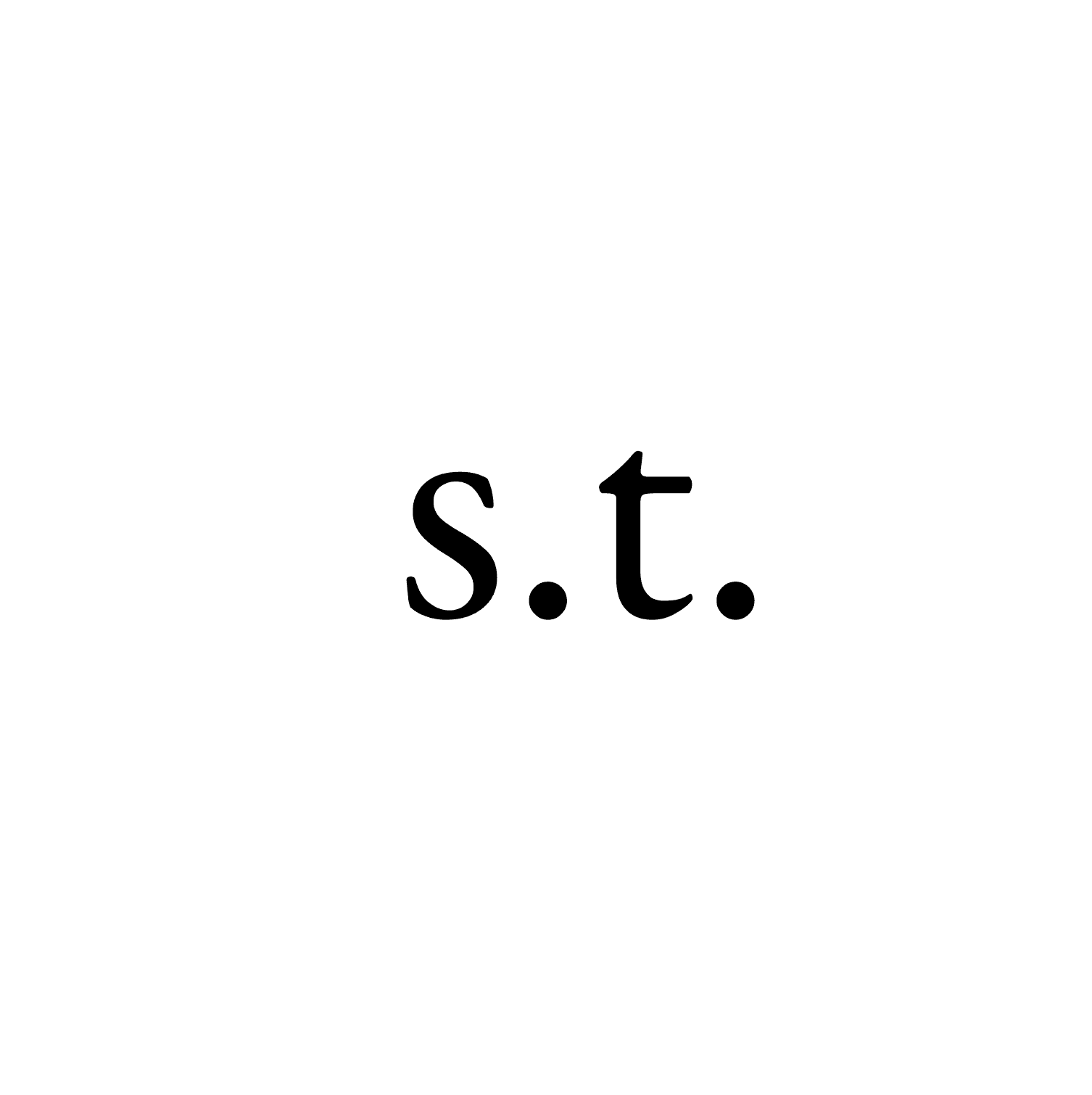
Sul tasto
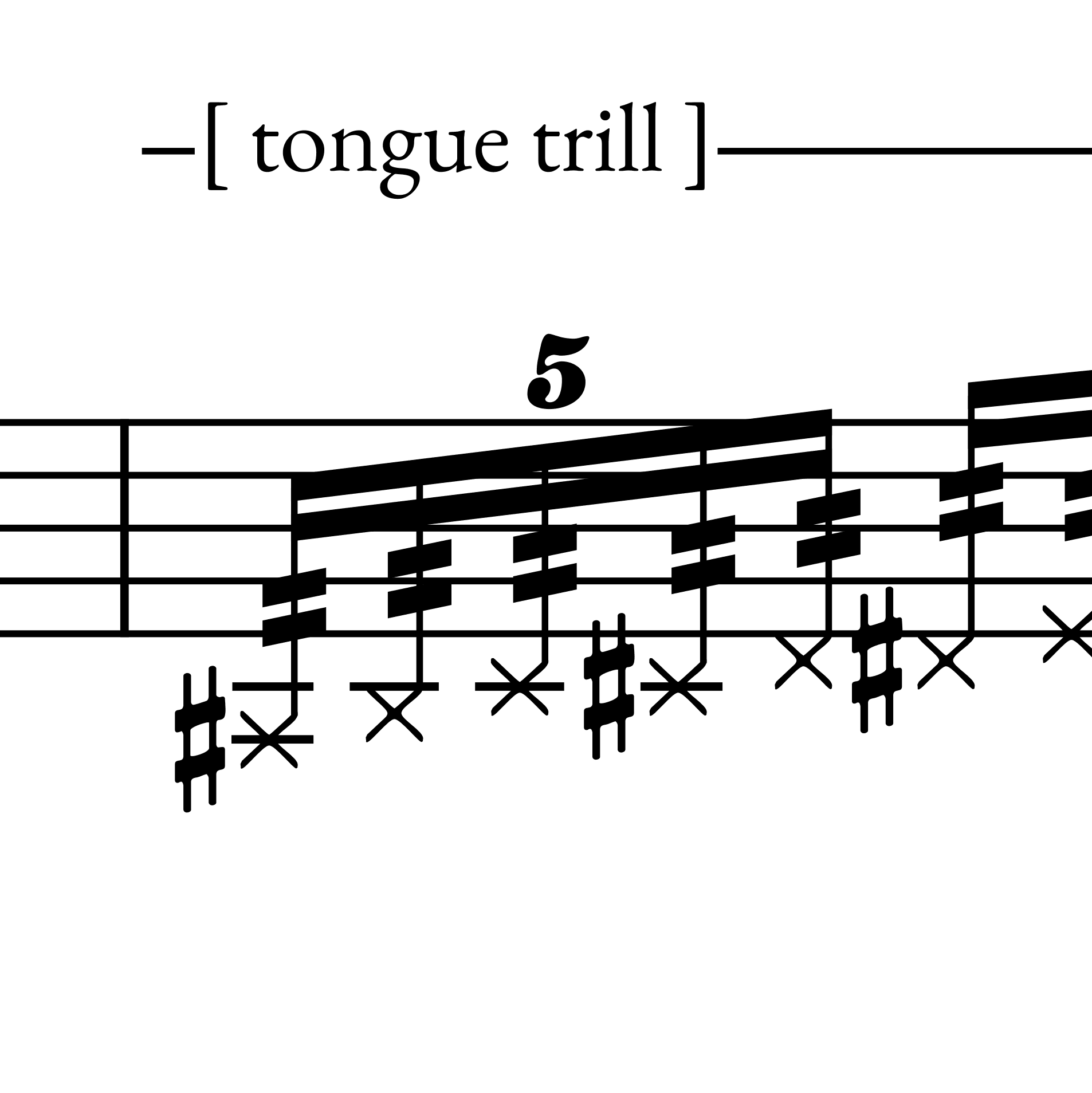
Tongue trill
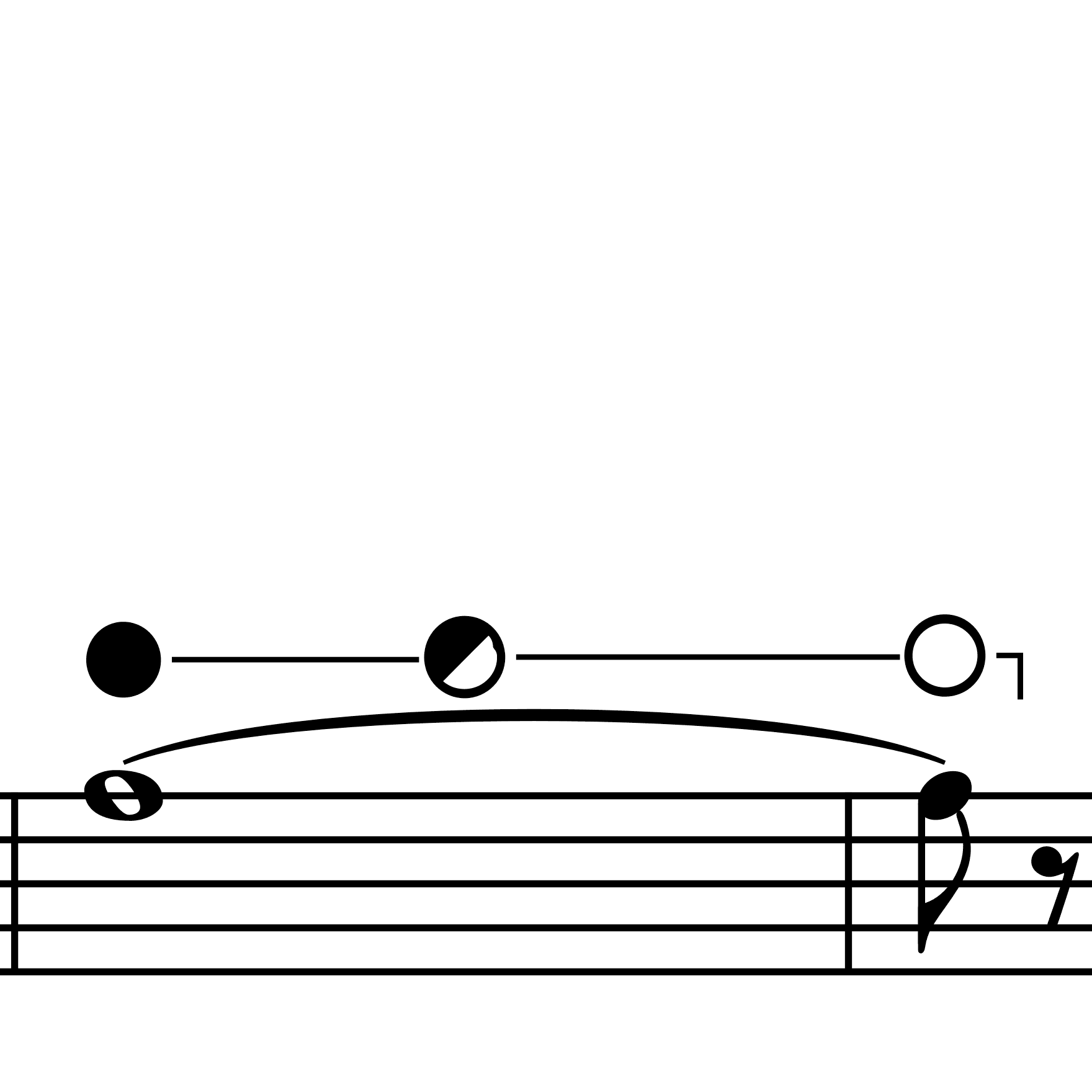
Airy sound (winds - voice)
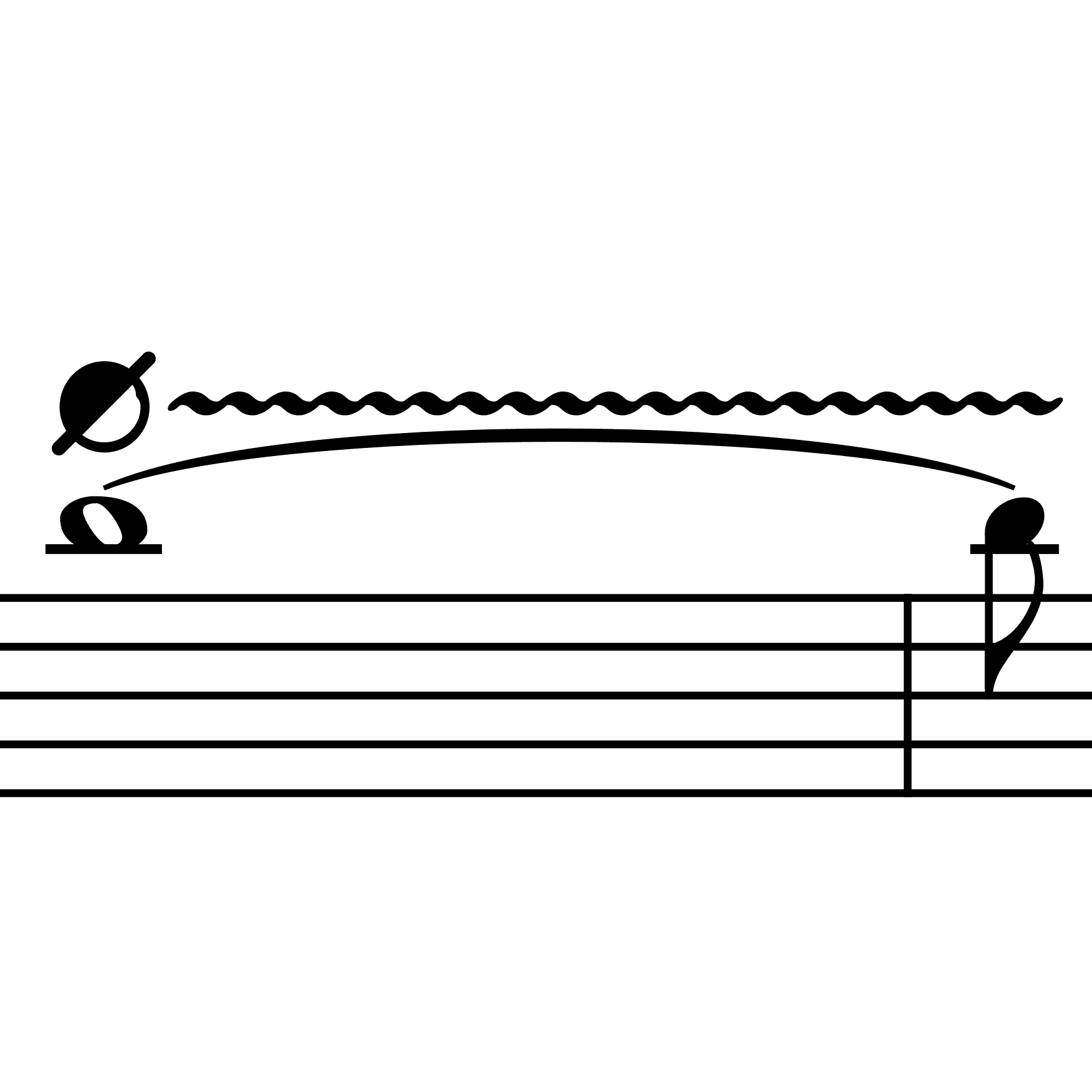
Bisbigliando
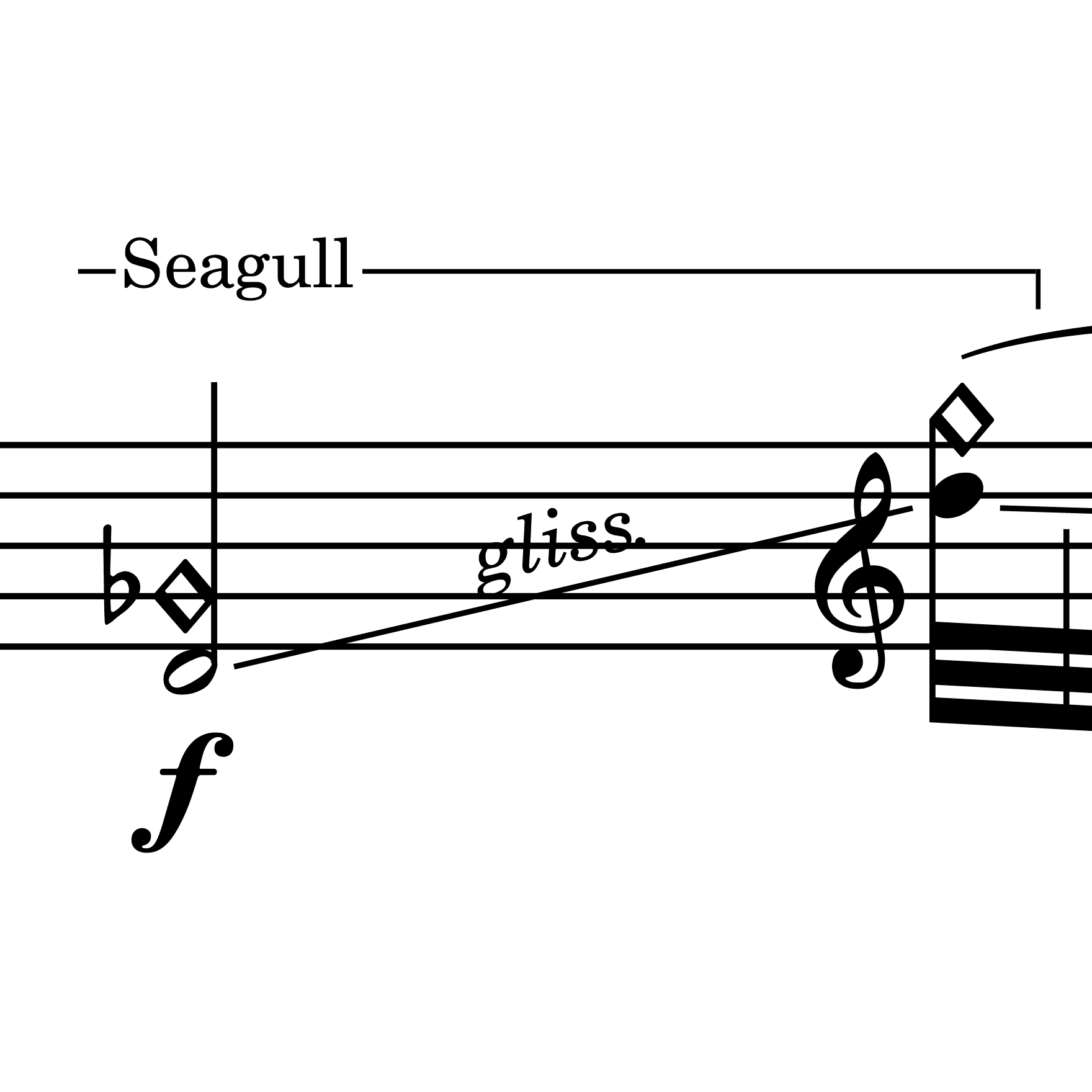
Seagull effect
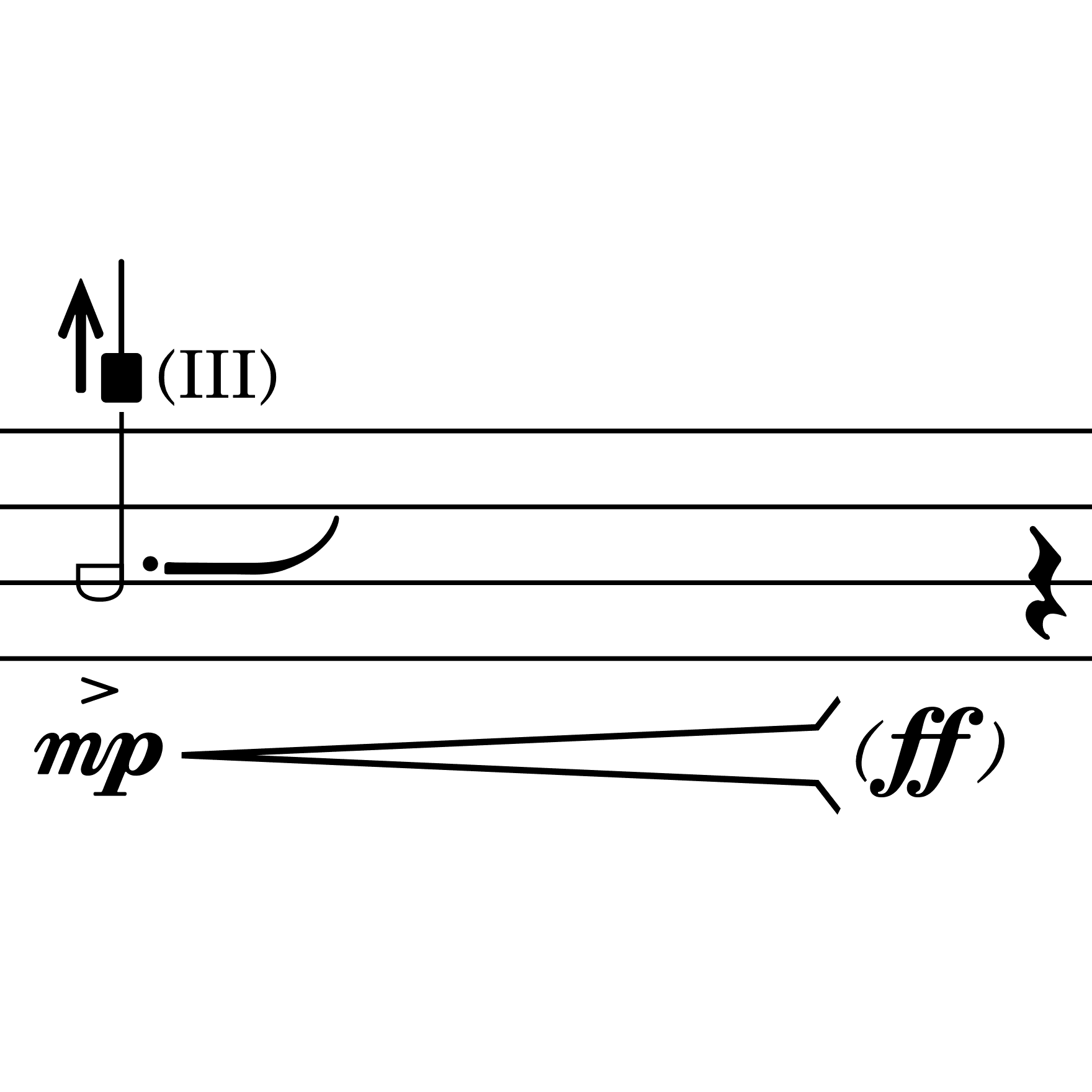
Con crini glissando
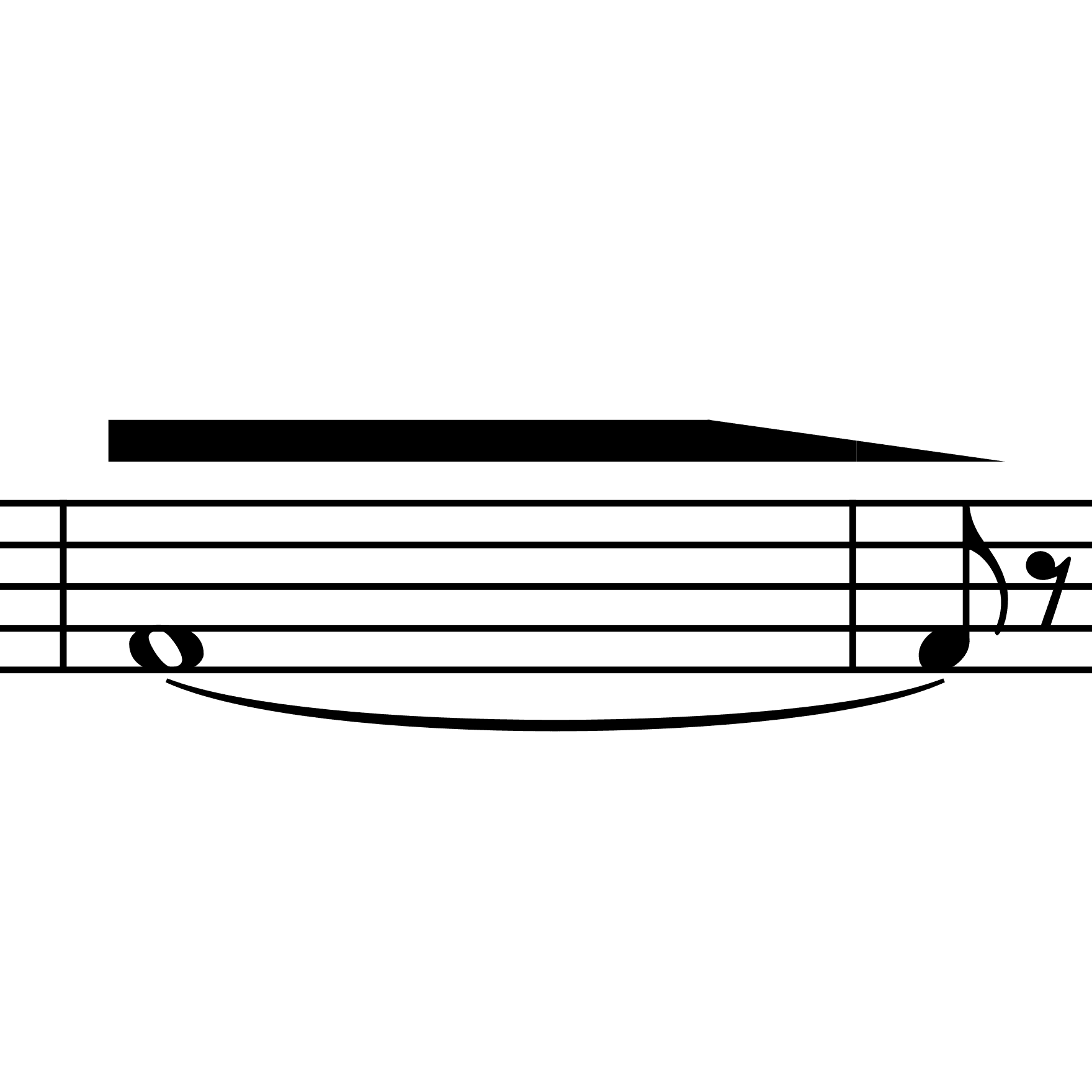
Overpressure (strings)
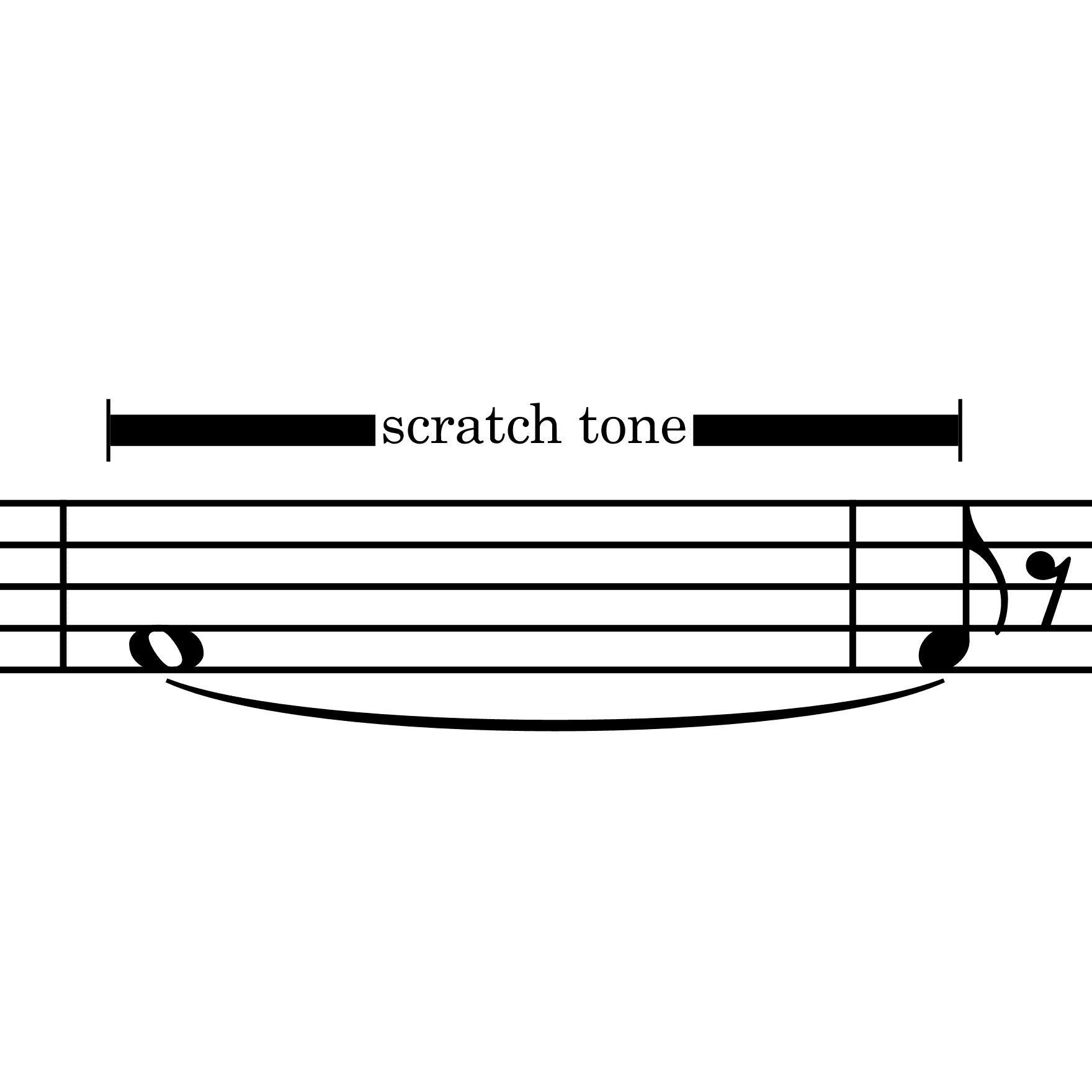
Scratch tone
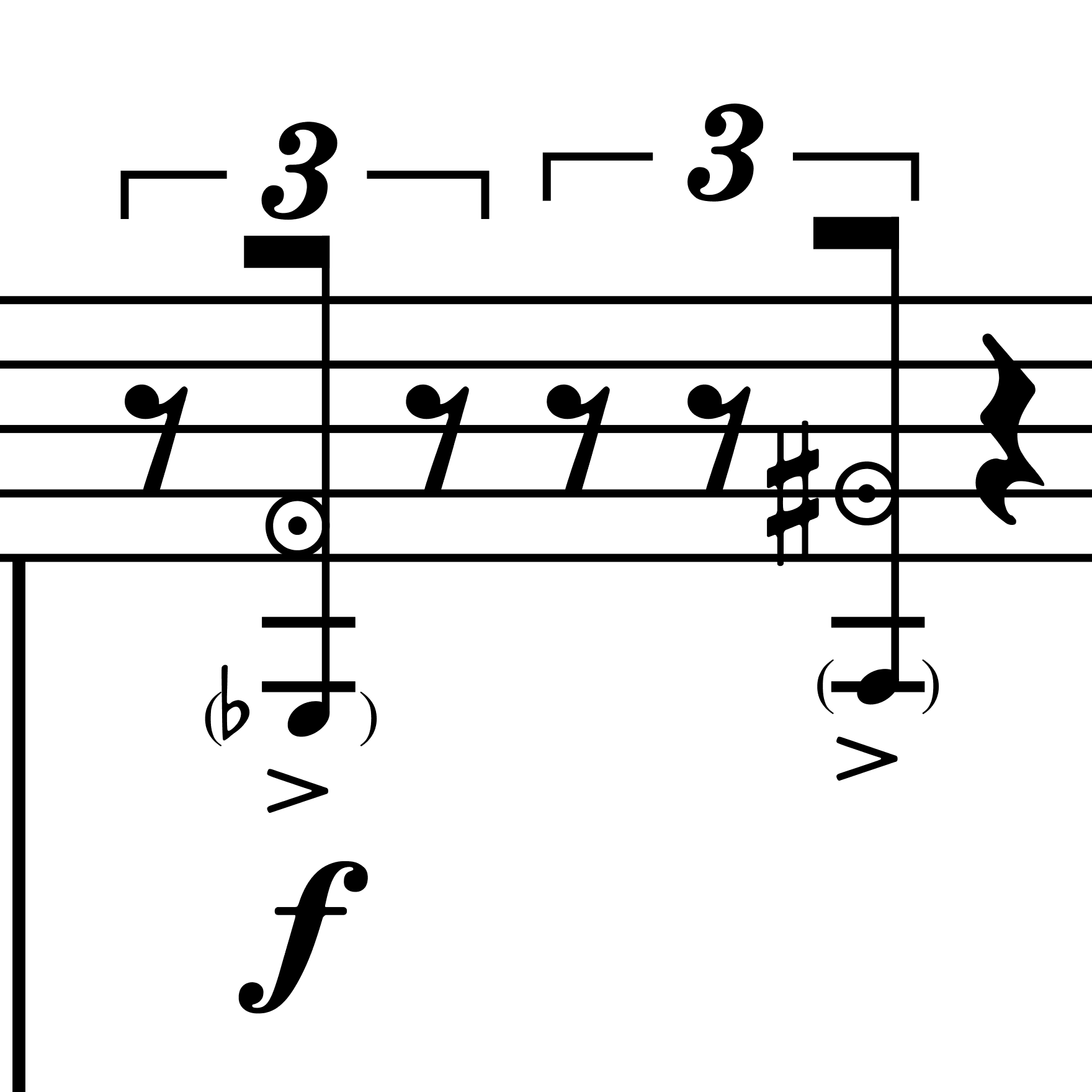
Tongue ram
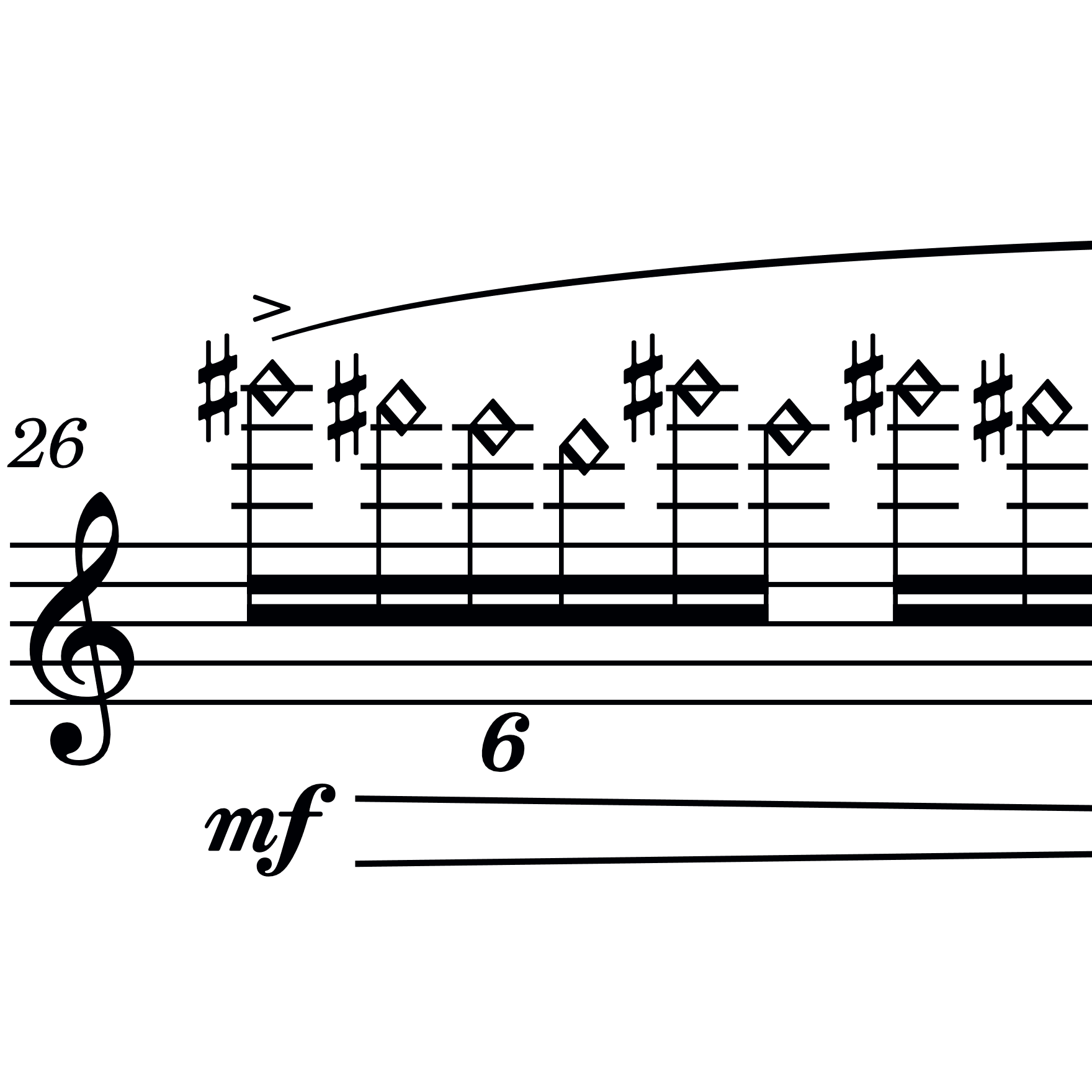
Whistle tone (closed)
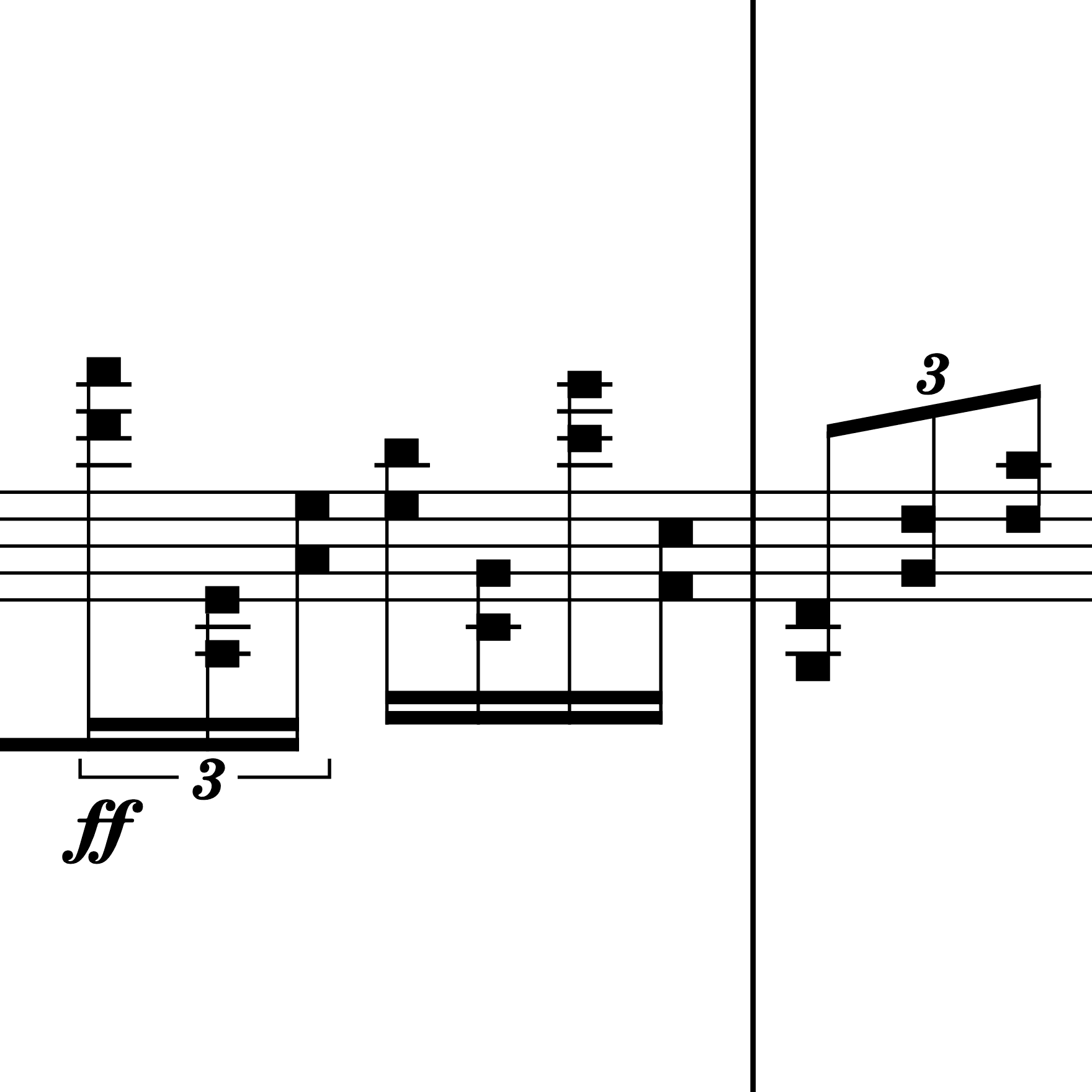
Wild and crazy